
Welcome to the ultimate breakdown of recruitment trends driving change in 2025! Picture this: resumes that sort themselves, interview rooms you can visit from your sofa, and smart tech turning recruiters into superheroes. Whether you’re a startup scaling up, a global powerhouse, or a bold job seeker ready for your next leap, grab your coffee; this blog is packed with insights, real-life stories, and the inside scoop from your friends at Amoha Recruitment Services.
Did you know? NIH projects that Millennials and Gen Z will make up three-quarters of the world’s workforce by late 2025. That’s not just a number; it’s a seismic shift in attitudes about work, tech, and what keeps us motivated.
So, whether you’re navigating the future of hiring or eyeing your next big role, check out these top recruitment trends; complete with must-know stats, stories you’ll remember, and plenty of practical tips to help you stay ahead.
Tech Magic Meets Talent: The Big Shifts
1. AI-Powered Recruitment: Your New Best Hire
Do you daydream about skipping repetitive candidate screenings? AI recruiting tools are making this a reality! HireVue, for example, uses machine learning and video analysis to rank thousands of applicants in record time. Sephora, a global beauty retailer, improved time-to-hire by 25% after adopting AI screening (source). Meanwhile, Pymetrics assesses candidates’ cognitive and emotional traits, matching them to roles where they’ll actually thrive.
Stat Alert: 67% of recruiters say AI saves them hours every week.
Here’s the future: imagine an AI recommending candidates not only based on skills but also on values, team fit, and even communication style. The Future of AI Recruitment is personalized, super-quick, and far more accurate, making sure your shortlist is all potential stars (not needle-in-a-haystack guesses).
2. Blockchain for Bulletproof Background Checks
Gone are the days of chasing down degrees and calling references that go to voicemail. Blockchain tech lets you instantly verify academic and professional credentials; no forgeries, no headaches. IBM’s blockchain platform slashed background screening times from weeks to hours. And as regulatory compliance becomes stricter (especially in finance and healthcare), expect blockchain adoption to soar.
3. Virtual Reality Interviews: The Office, Reimagined
Feeling nervous about “one-size-fits-all” interviews? With VR, recruiters and job seekers can now meet in digital office spaces, check out virtual client meetings, or solve real-time job scenarios together. Jaguar Land Rover leveraged a VR game created internally to evaluate candidates, achieving twice the engagement. You won’t just talk about your skills, you’ll show them in action.
4. Automation: Speed Wins the Race
Imagine managing 10,000 applications with just a few clicks. Amazon’s in-house automated hiring platform shortened the hiring process by 40% per candidate. Automation now covers everything from resume imports to digital offer letters (paperwork, be gone!). Next stop: custom onboarding packets and AI mentors for every new hire.
Pro Tip: Use automation tools to send personalized updates to each applicant; no one feels left out, and your brand looks sleek and caring.
Decisions Backed by Data: No More Guesswork
5. Analytics: The Recruiter’s Crystal Ball
Forget guessing; today’s sharp recruiter in talent management trusts the numbers. Want proof? IBM’s analytics-driven approach improved its global retention by 20%. With predictive analytics, you can forecast turnover, spot high-retention candidates, and even identify which universities or training programs produce your top performers. Tools like LinkedIn Talent Insights give you a clear view of talent pools, salary benchmarks, and hiring competition—data is no longer optional, it’s your secret weapon.
Workforce Shake-Ups: Flexibility Is Everything
6. The Gig Economy: Work on Your Terms
The standard 9-to-5 is no longer the standard at all. Over 36% of US workers freelanced in 2023 and the numbers keep rising. Major brands like Google, Airbnb, and Pfizer use gig platforms for special projects, connecting with highly niche experts without adding full-time staff. For job seekers, it’s a passport to new skills and sources of income—with flexible schedules and more control over work-life balance.
7. Hybrid Work: The Best of Both Worlds
Following the remote work boom, hybrid work models have become a lasting norm. At Microsoft, hybrid work boosted productivity scores by 20% and lowered burnout rates (source). Companies are redesigning offices for collaboration zones, offering “work from anywhere” weeks, and seeing record-high retention. Even industries like banking and manufacturing are getting creative with hybrid roles.
8. Employee Experience: Happy Teams, Happy Business
Culture counts more than ever. At Salesforce, employee experience investments (such as mental health support, learning stipends, and flexible PTO) decreased voluntary turnover by 12%. Employee listening tools give real-time feedback, so leaders can track sentiment and act fast. Happy employees = happy customers (and a 21% higher profit margin, according to Gallup!).
Building Better Teams: Beyond the Basics
9. Diversity, Equity & Inclusion: Not Optional
DEI is not just a box to check. Companies in the top quartile for ethnic and cultural diversity outperform peers by 36% in profitability (source). Intel’s diversity dashboard is public—holding leadership accountable, and inspiring similar openness in the tech world. Expect more roles dedicated to DEI strategy, plus advanced bias-prevention AI in recruitment.
10. Upskilling and Reskilling: Skills for the Future
McDonald’s Archways to Opportunity program funded over 100,000 employee courses, helping team members climb the ladder into management. Amazon’s Upskilling 2025 promise is a model for bridging skill gaps. Expect a surge in partnerships with online learning platforms so workers can access micro-courses on coding, leadership, and soft skills—often paid for by employers.
Industry Spotlights: Hiring Hot Zones
11. Cybersecurity: The Heroes We Need
With online threats growing, demand for cybersecurity experts is through the roof. Cybersecurity Ventures predicts a global shortage of 3.5 million experts this year alone. Real-world applications? Banks like JP Morgan are launching cyber bootcamps and fast-track career paths, giving job seekers new, high-paying opportunities with every skill earned.
12. Healthcare: Always in Demand
Nurses, techs, and therapists remain perpetually in demand. By 2030, the global healthcare workforce needs to grow by 40 million to keep up (source). Innovative solutions include virtual job fairs, telehealth role expansions, and referral bonuses for hard-to-fill roles.
13. Green Jobs: Saving the World – At Work
Sustainability and clean energy roles are multiplying everywhere. Siemens created an in-house “green skills” certification, while the renewable energy sector has grown jobs by 24% since 2021 (source). Expect new job boards and staffing agencies specializing in ESG and green hiring.
14. AI & Automation Roles: The Builders Behind the Bots
By 2025, AI is expected to generate 97 million new jobs worldwide, according to the World Economic Forum. Titles like “AI Talent Specialist” and “Automation Solutions Architect” are popping up daily. Since 2020, the number of developers in Amazon’s robotics division has tripled.
15. Smart Retail: Blending Bricks and Clicks
The explosion in e-commerce has retailers scrambling for digital problem-solvers. Target rolled out “store fulfillment” tech, transforming traditional cashier roles into logistics specialists. Need IT Non IT Staffing support? Hire tech gurus who know Shopify and how to deliver great service in-store.
Game-Changers: Hiring Gets Creative
16. Gamification: Show, Don’t Tell
Deloitte uses its gamified ‘Pixel People’ tool to test candidates through avatar creation, puzzle-solving, and workplace simulations. Applications doubled, and candidate satisfaction soared. Even small businesses can use platforms like Codility and Pymetrics to bring assessments to life, you’ll spot hidden strengths traditional applications can’t reveal.
17. Social Media Recruiting: Go Where Everyone Is
TikTok launched CareerTok, and it’s a gold mine for branding and talent discovery. Marriott’s ‘M Live’ social recruiting hub lets candidates chat with recruiters, learn from employee videos, and apply instantly. The world’s top Core Recruitment company sources niche experts from Instagram’s DMs, Twitter threads, and beyond.
18. Employee Referrals: Your Secret Weapon
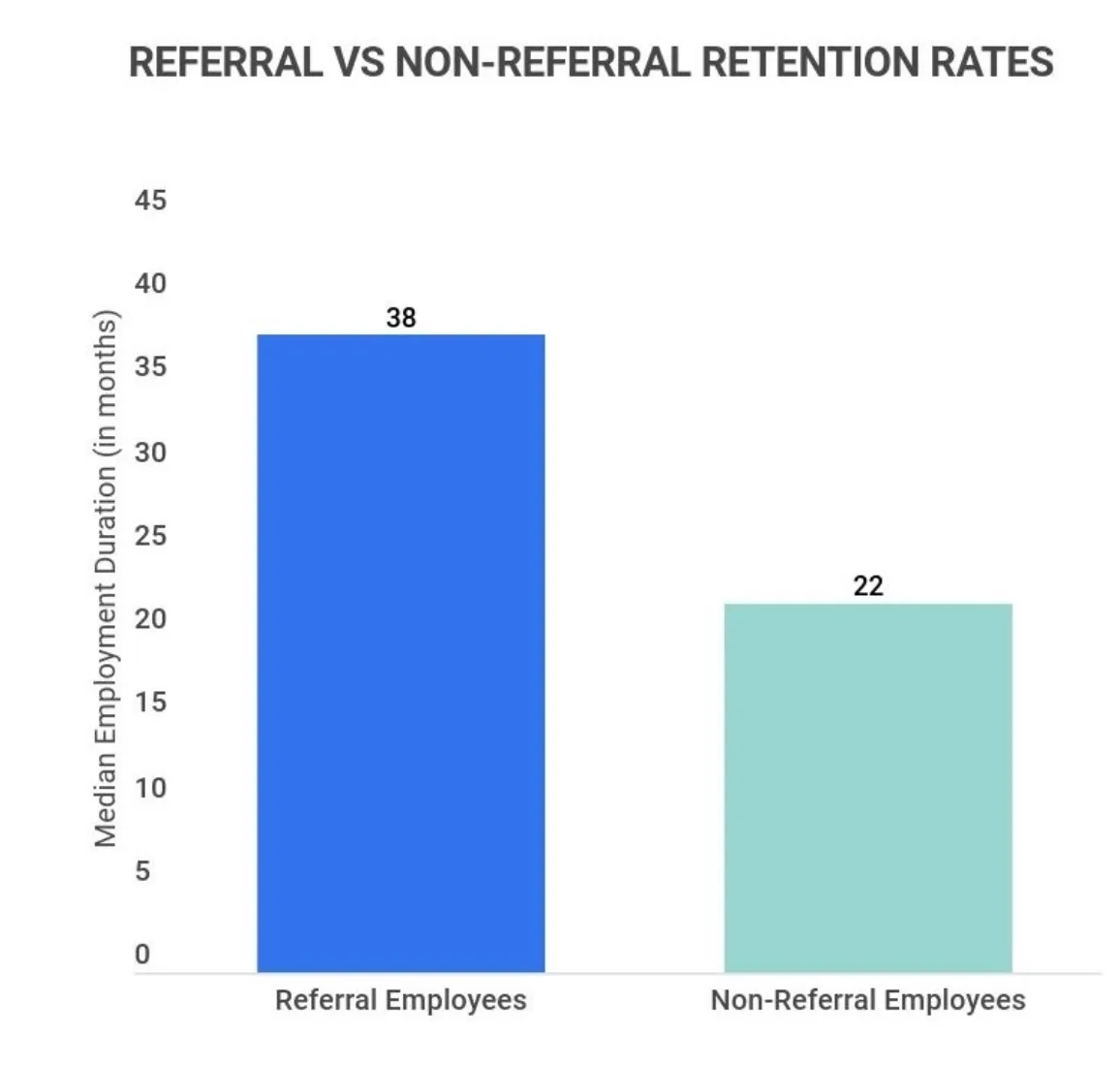
Employee referral programs scale fast. At Dropbox, referrals account for 40% of engineering hires and stay longer, too. Google tracks thousands of micro-referrals yearly with digital tools and rewards successful referrers. Job seekers with referrals are four times as likely to get hired as those without.
19. Video Resumes: You, On Camera
More than 60% of recruiters say video applications help them spot “soft skills” quickly. Candidates record quick intros, walk through a work sample, or answer a real-world question. Loom and TikTok make it easy. Pro tip: see our Resume Creation guide for step-by-step video resume help; stand out in a crowded field!
20. AI-Driven Candidate Engagement: No One Likes to Wait
Nearly 58% of job seekers drop out when left in the dark about their application status. Chatbots like Mya and Olivia send real-time updates, nudge you for missing info, and even schedule interviews instantly. For busy hiring managers, it frees up time, and for candidates, the process feels transparent and respectful. Partner up with a Core Recruitment company already using these tools for best results.
The Road Ahead: Are You Ready?
2025 is the year careers and companies get smarter, faster, and more human. With AI recruiting tools, hybrid work, and lifelong learning, there’s no “one size fits all” anymore; just endless opportunities to shine.
Stat to think about: 79% of CEOs are concerned about the challenge of finding the right skills. Stay ahead:
- Try the latest tech (especially AI recruiting tools)
- Flex schedules, champion culture, and design hiring for “wow moments”
- Create learning roadmaps; today’s new hire could be tomorrow’s leader!
Amoha Recruitment Services isn’t just keeping up with top recruitment trends; we’re setting the pace. Whether you need help with Resume Creation, IT Non IT Staffing, or dream partnerships with a forward-thinking Core Recruitment company, we’re here for you.
Wrapping Up: Your Next Chapter in Hiring
With these 20 recruiting trends, you have a blueprint to win the race for talent; whether you’re hiring or getting hired. Dive deeper, get creative, and make bold moves.
Remember, recruitment isn’t about stacks of resumes or endless interviews. It’s about building dream teams, finding purpose, and creating thriving cultures. The future of work is bright; let’s make it brilliant, together.
Ready to power up? Stay connected with Amoha Recruitment Services for fresh strategies, expert guidance, and a dose of career inspiration every step of your journey.
Frequently Asked Questions: Hiring Trends in 2025
What hiring trends should businesses watch for in 2025?
Businesses should pay close attention to AI-powered recruitment, data-driven decisions, and hybrid work models. Investing in employee well-being, upskilling, and DEI initiatives are also key for building resilient and competitive teams in the changing landscape.
How do AI recruiting tools help employers and job seekers?
AI recruiting tools streamline resume screening, match candidates to roles faster, and reduce manual workloads for employers. For job seekers, these tools increase the chance of being matched with the right opportunities and improve the overall application experience with quicker feedback.
Should companies use traditional hiring or new tech?
A smart approach combines both, technology handles repetitive and time-consuming tasks efficiently, while human recruiters focus on building relationships and assessing cultural fit. This balance leads to better hires and a more positive experience for all involved.
How has the gig economy changed hiring?
The gig economy has made flexible and short-term work arrangements more common. Companies now build teams with a mix of full-time staff and expert freelancers, allowing them to scale up or down quickly and tap specialized skills when needed.